Car vs Scooter in Phuket: Safety Guide 2026
Car rental vs scooter in Phuket — an honest comparison of road safety, insurance, and costs. Learn why scooter Phuket accidents are so common and how to stay safe.
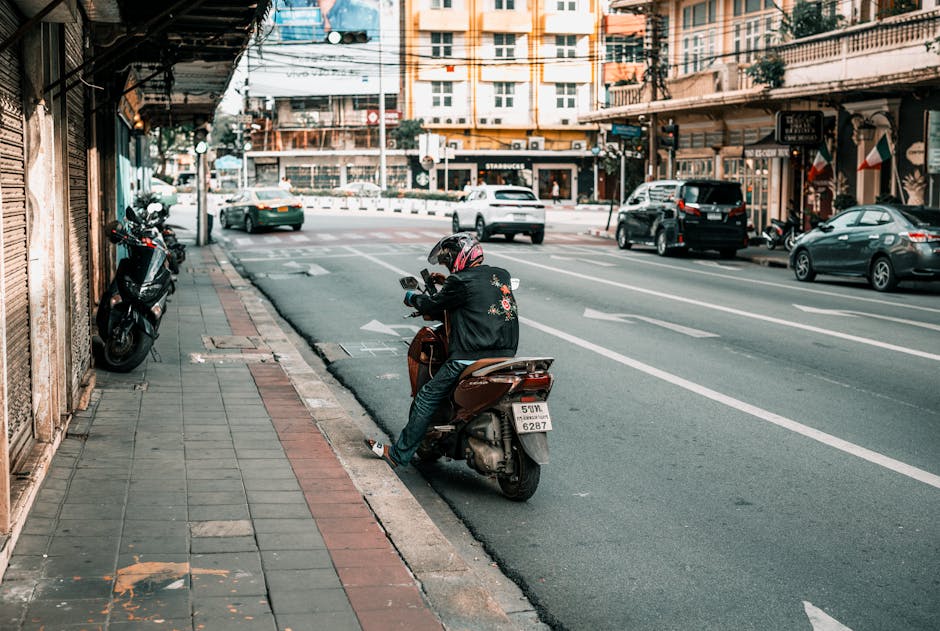
Every year, thousands of tourists arrive in Phuket and face the same question: should I rent a scooter or a car? Scooters are everywhere, they're cheap, and they look like the quintessential Southeast Asian experience. But before you hop on one, there are some important facts about phuket road safety you should know.
Scooter Accidents in Phuket: The Numbers
Thailand consistently ranks among the top countries in the world for road fatalities. According to the World Health Organization, the country has one of the highest road death rates globally, with motorcycles and scooters accounting for the vast majority of casualties.
Phuket's geography makes things worse. The island is far from flat — steep hills like Patong Hill and Karon Hill feature sharp turns, steep gradients, and heavy traffic. During monsoon season (May–October), these roads become slippery and visibility drops significantly.
Hospital emergency rooms in Phuket treat scooter-related tourist injuries daily. From road rash and broken bones to serious head trauma, the consequences of a scooter accident can turn a holiday into a nightmare. Most travel insurance policies have strict exclusions for motorbike accidents, especially if you lack a valid motorcycle license.
Why Tourists Choose Scooters (and Why It's Risky)
The appeal is understandable. Phuket scooter hire costs as little as 200–400 THB per day (roughly $6–12 USD). No paperwork, no deposit at many shops, and you can ride off in minutes. But this convenience hides serious risks:
- No insurance coverage — most scooter rental shops provide zero insurance. If you crash, every baht comes out of your pocket.
- International Driving Permits don't cover motorcycles — unless your home country license specifically includes motorcycles, your IDP won't be valid for a scooter in Thailand. Without a valid license, your travel insurance claim will almost certainly be denied.
- Hospital bills add up fast — a broken leg in Phuket can cost 200,000–500,000+ THB ($6,000–$15,000+) at a private hospital. A serious head injury can cost millions of baht.
- Helmet enforcement is inconsistent — while helmets are legally required, enforcement varies. Many rental shops hand out thin, decorative helmets that offer minimal protection.
- Unfamiliar roads and left-hand traffic — if you're not used to driving on the left side of the road, learning on a scooter in busy Phuket traffic is dangerous.
Advantages of Renting a Car in Phuket
A car rental vs scooter comparison in Phuket overwhelmingly favors the car for most visitors. Here's why:
- Air conditioning — Phuket's average temperature is 30–35°C with high humidity. Driving in an air-conditioned car is genuinely more comfortable, especially with kids or on longer drives.
- Storage space — beach gear, shopping bags, suitcases. A car trunk solves the logistics problem that scooter riders struggle with daily.
- Rain protection — from May to October, sudden downpours are a daily occurrence. On a scooter, you either get soaked or pull over and wait. In a car, you keep driving.
- Hill safety — Phuket's hills are no joke. Steep roads between Patong and Karon are much safer in a car with proper brakes, stability control, and four wheels on the ground.
- Insurance included — reputable car rental companies include first-class insurance. That means if something happens, you're covered.
- Family-friendly — you can install child car seats, everyone rides comfortably, and you don't have to worry about balancing toddlers on a scooter.
Cost Comparison: Car vs Scooter
Let's compare the real costs honestly:
| Expense | Scooter | Car |
|---|---|---|
| Daily rental | 200–400 THB | from 800 THB (Toyota Yaris Ativ) |
| Insurance included | No | Yes (first-class) |
| Fuel per day (avg) | 80–120 THB | 150–250 THB |
| Helmet (quality) | Buy your own: 800–2,000 THB | N/A |
| Risk: minor accident | 10,000–50,000 THB out of pocket | Covered by insurance |
| Risk: serious accident | 200,000–2,000,000+ THB | Covered by insurance |
| Comfort in rain/heat | None | Full AC, dry cabin |
The daily cost difference between a scooter and an economy car like the Toyota Yaris Ativ at 800 THB/day or the Honda City is roughly 400–600 THB ($12–18). That's the price of one cocktail at a beach club — a small amount when weighed against the financial risk of an uninsured scooter accident.
🚕 Book your Phuket airport transfer
- ✓Fixed price agreed before the trip
- ✓Driver meets you with a name sign
- ✓No haggling with airport taxis
Or compare: Welcome Pickups · GetTransfer
Insurance: The Critical Difference
This is the single most important factor in the car rental vs scooter phuket debate.
Scooter rental insurance: In most cases, there is none. The shop rents you the bike, and everything that happens after is your responsibility. If you damage the scooter, you pay for repairs. If you injure yourself, you pay the hospital. If you injure someone else, you pay their bills too. Some tourists assume their travel insurance will cover them, but most policies exclude motorcycle accidents for riders without a proper motorcycle license.
Car rental insurance: Reputable rental companies in Phuket include first-class insurance with every vehicle. This typically covers:
- Damage to the rental car (collision, theft, fire, flood)
- Third-party liability (damage to other vehicles or property)
- Personal accident coverage for driver and passengers
First-class insurance in Thailand is the highest tier available. It means that in the event of an accident, the insurance company handles the costs — not you. Combined with a reasonable deductible (usually 5,000–10,000 THB), this gives you genuine peace of mind that a scooter rental simply cannot match.
Driving in Phuket: What to Expect
Whether you choose a car or a scooter, here's what Phuket's roads are actually like:
- Left-hand traffic — Thailand drives on the left. If you come from a right-hand driving country, it takes a day or two to adjust. A car with a proper dashboard, mirrors, and indicators makes this transition much easier than a scooter.
- Hilly terrain — the road between Patong and Kata/Karon crosses steep hills with hairpin turns. The same goes for the road to Kamala from the central part of the island. These hills are where most scooter accidents happen.
- Wet roads — during rainy season, roads can be slippery with standing water, fallen leaves, and reduced visibility. Cars handle this far better than two-wheeled vehicles.
- Motorbikes everywhere — scooters weave through traffic unpredictably. As a car driver, you have better visibility and more protection. As a scooter rider, you're competing with thousands of other bikes and much larger vehicles.
For detailed tips on navigating Phuket's roads, check our Driving Tips for Phuket guide.
When a Scooter Might Make Sense
In the interest of being balanced, there are situations where a scooter can be a reasonable choice:
- You're an experienced motorcyclist — if you ride regularly at home and hold a valid motorcycle license, you already know how to handle a bike in traffic.
- Short, flat distances only — if you're staying in a flat area like Rawai or Nai Harn and only need to go 2–3 km to the beach, the risk is lower.
- Dry season, daytime only — November to April, clear weather, good visibility. This is the lowest-risk time for riding.
- Solo traveler, no luggage — if it's just you and a backpack, logistics aren't an issue.
Even in these cases, make sure you have a valid motorcycle license from your home country, get proper travel insurance that explicitly covers motorbike riding, wear a quality full-face helmet, and never drive after drinking. For families, groups, or anyone planning to explore the whole island — rent a car.
Our Recommendation
For the vast majority of visitors to Phuket, renting a car is the smarter choice. The difference in daily cost is minimal compared to the safety, comfort, and insurance benefits you receive.
Consider this: you've spent thousands on flights, hotels, and activities. Adding 400–600 THB/day for the security of a properly insured vehicle with air conditioning, rain protection, and space for your family and gear is not an extravagance — it's common sense.
Browse our full car catalog to find the right vehicle for your trip. Our most affordable option, the Toyota Yaris Ativ, starts at just 800 THB/day with first-class insurance included. For a full overview of the rental process, read our Complete Guide to Renting a Car in Phuket 2026.
Ready to book? Submit a rental request and we'll deliver the car to your hotel or the airport — free of charge.
If the scooter wins for you but you have never ridden one, do not learn on a rental in Patong traffic. A 2-hour scooter lesson with an instructor on a closed ground ($60, transfer $5–10) is the cheapest insurance you will buy in Phuket.
Cheap flights to Phuket
Aviasales
- ✓Compares hundreds of airlines and agencies
- ✓Low-fare calendar to pick the cheapest date
- ✓You buy directly from the seller
Rent a scooter in Phuket
BikesBooking
- ✓Book a scooter before you arrive
- ✓Compare several rental shops at once
- ✓No passport left as a deposit — check terms
Tours worth booking in Phuket
All tours →


Need help with your Phuket plans?
Send us a message and we'll respond within 1 hour.
Get a Free Quote